Flow is a rhythm, not a race
A flow class can feel energizing, meditative, and strong, but it can also feel overwhelming when students think they need to keep up with every cue perfectly. The heart of flow practice is not speed. It is rhythm.
When students learn to move with the breath rather than ahead of it, the class becomes more spacious. Transitions feel clearer, effort becomes more sustainable, and the mind has one steady place to return.
Let the breath set the pace
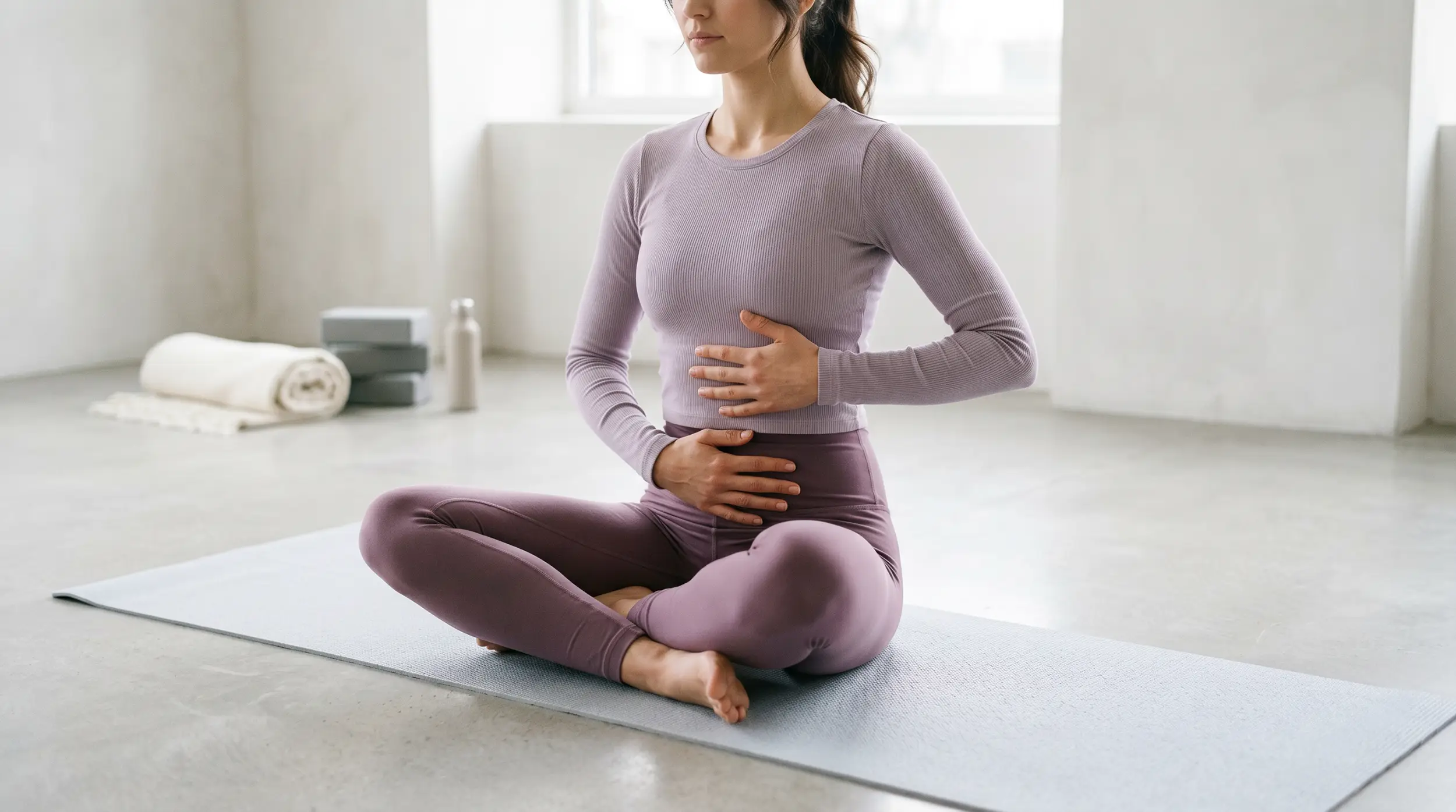
In a breath-led class, the inhale and exhale act like a guide. Some movements expand naturally with the inhale. Others settle or ground with the exhale. You do not need to make the breath dramatic. It simply needs enough attention to become part of the movement.
If the breath becomes strained, that is useful information. It may be a sign to slow down, take a simpler option, or pause for a few breaths before joining the sequence again.
Transitions are part of the practice
Many students focus on the main shapes and overlook the space between them. In flow, transitions matter. They teach coordination, patience, and awareness. Moving from one posture to another with care can be just as meaningful as holding the posture itself.
This is where rhythm becomes visible. The practice starts to feel less like separate shapes and more like one continuous conversation between breath and body.
Find your own version of steady
Every student has a different natural pace. A supportive flow class gives room for that. You can move strongly without rushing, modify without losing focus, and rest without leaving the practice.
The goal is not to match the room perfectly. The goal is to find a rhythm that keeps you present, engaged, and connected from the first breath to the final rest.