Confidence grows when movement feels understandable
Many students think confidence in movement comes from doing advanced exercises or holding difficult shapes. In reality, it often begins with clarity. When the body understands what is being asked, movement feels less uncertain and more grounded.
Controlled practice gives students time to build that clarity. Instead of rushing through repetitions, each movement becomes an opportunity to notice alignment, effort, breath, and support.
Control makes strength more useful
Strength is valuable, but strength without awareness can feel disconnected. Pilates-inspired movement teaches students how to use strength with precision. The goal is not to push harder at every moment. The goal is to understand where effort is needed and where the body can soften.
This balance is especially helpful for students who feel unsure in faster classes. Slower, structured movement creates a space where they can learn safely and steadily.
Small details create big changes
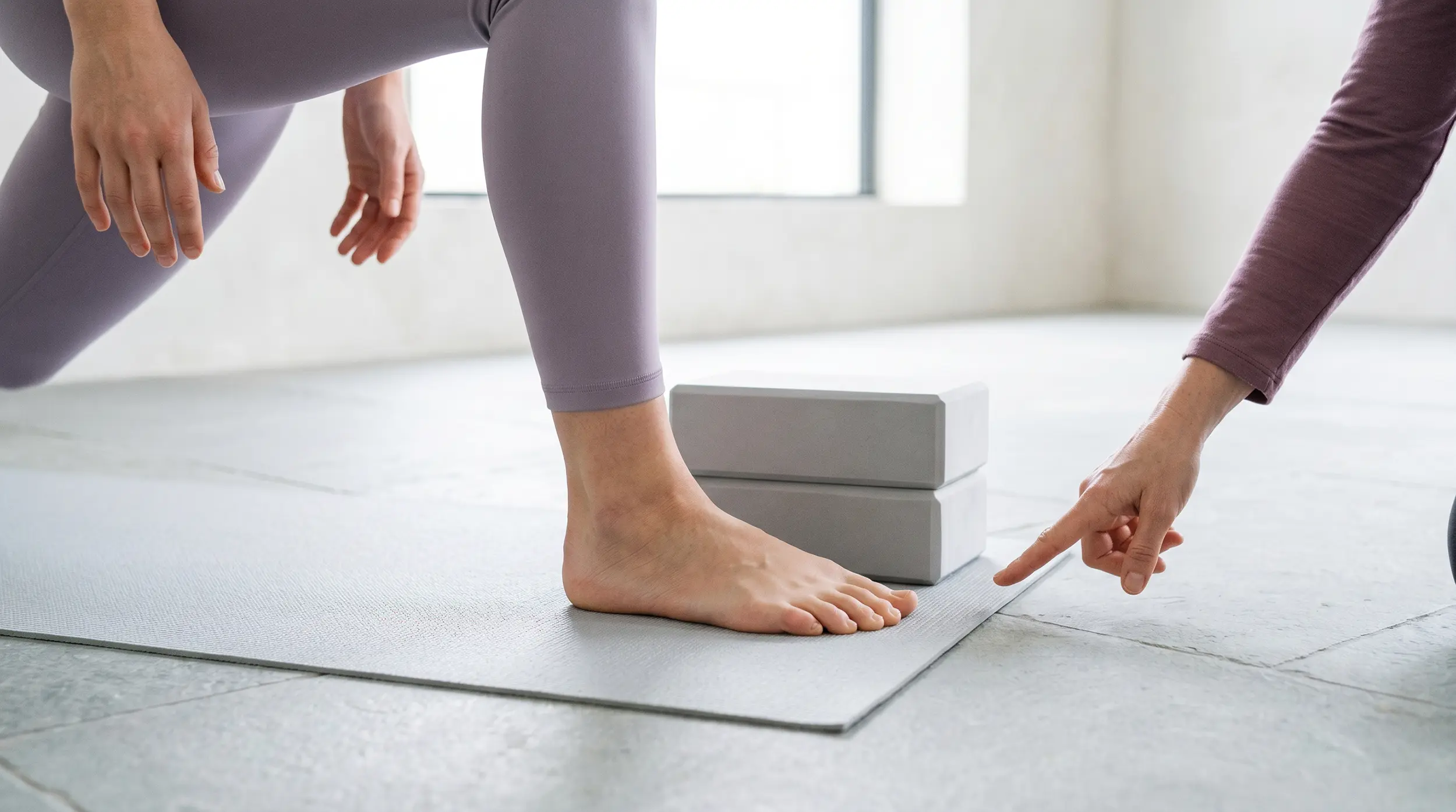
A slight shift in the pelvis, a steadier breath, or a more relaxed jaw can change the feeling of an exercise. These details may seem subtle, but they help students build trust in their own body. Over time, the practice becomes less about performing correctly and more about sensing clearly.
That kind of confidence is durable because it is based on experience, not comparison.
Progress does not need to be loud
Controlled movement often creates quiet progress. A student may notice that balance feels steadier, the back feels more supported, or transitions feel less awkward. These changes matter because they affect how people move in class and in daily life.
Confidence is not built by skipping steps. It is built by staying present with the steps that make movement feel reliable, intelligent, and personal.