Different classes support different kinds of learning
Foundations and flow classes can both be valuable, but they serve different needs. Understanding the difference helps students choose a class that fits their energy, experience, and goals.
Neither option is better. They simply ask for different kinds of attention.
What foundations classes offer
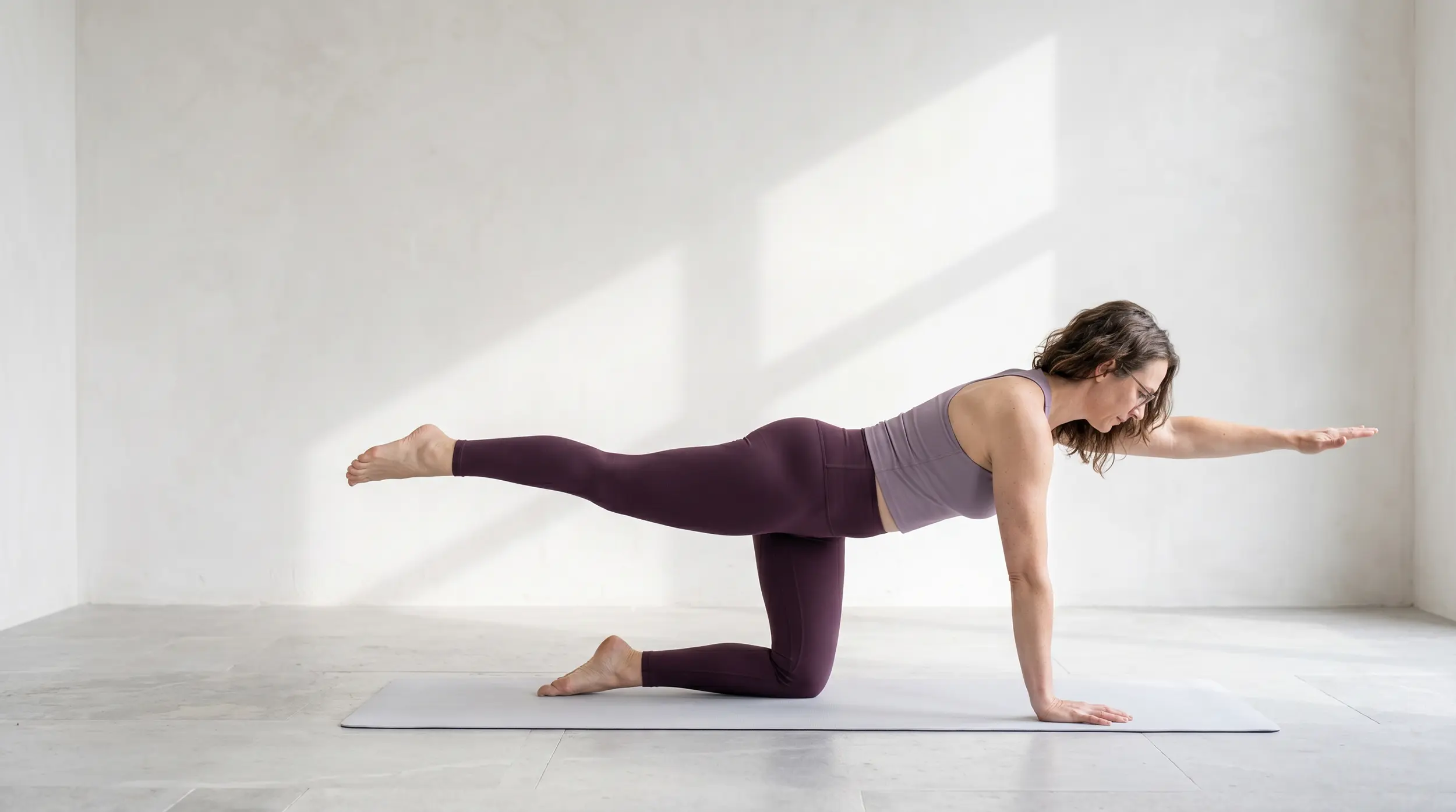
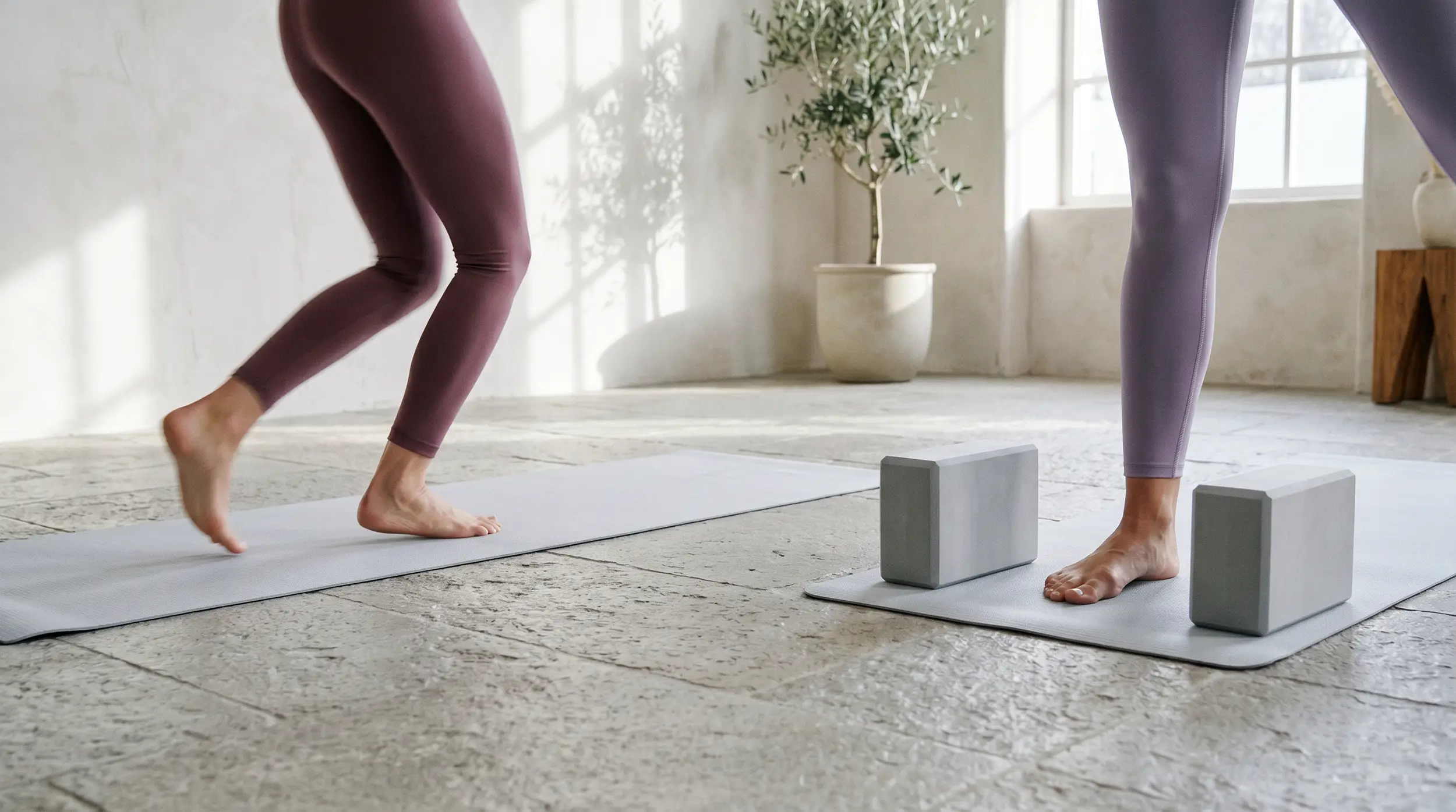
Foundations classes slow things down. Students learn posture basics, breath cues, alignment choices, and common transitions with more time and explanation. These classes are useful for beginners, but they are also helpful for experienced students who want to refine their practice.
The pace creates room to ask questions internally: Where do I feel stable? Where do I need support? How can this shape meet my body today?
What flow classes offer
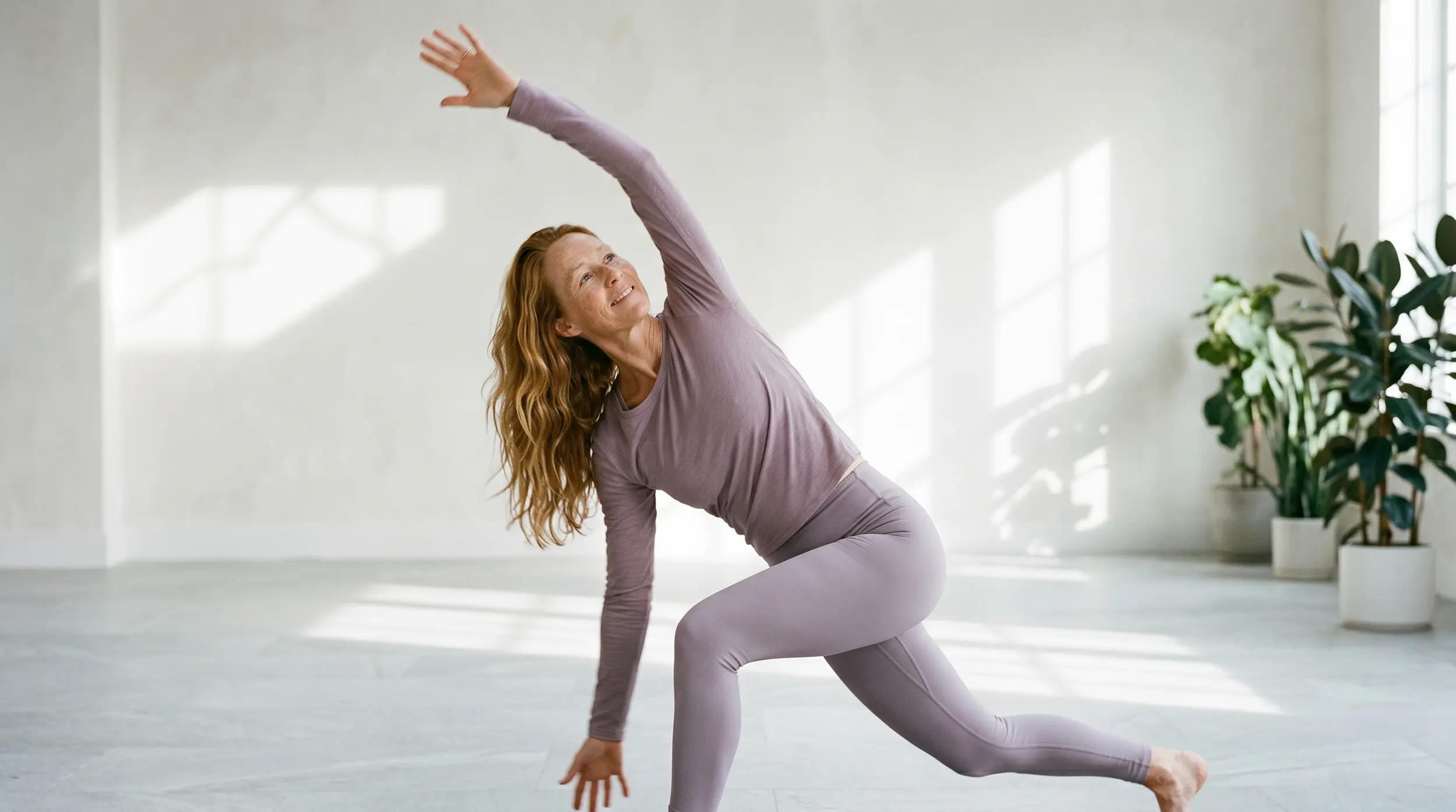
Flow classes link movement and breath in a more continuous rhythm. They often build heat, strength, mobility, and focus through sequences that move from one shape to the next.
A flow class can feel energizing and meditative, but it is usually easier to enjoy when the basic shapes already feel familiar.
How to choose
If you are new, returning after time away, or want more confidence, foundations is a wise place to begin. If you already know the core shapes and want more movement, flow may feel supportive.
The best practice is not always the hardest one. It is the one that helps you listen, learn, and return.